Biblical Ephesus Tour
Biblical Ephesus Tour
Details
Biblical Ephesus Daily Tour
Details
-
Tour Name: Biblical Ephesus Daily Tour
-
Tour Duration: 09:00 - 17:00
-
Departure Point: İzmir Airport or your hotel
-
Drop-off: İzmir Airport or your hotel
Tour Itinerary
1. The House of the Virgin Mary
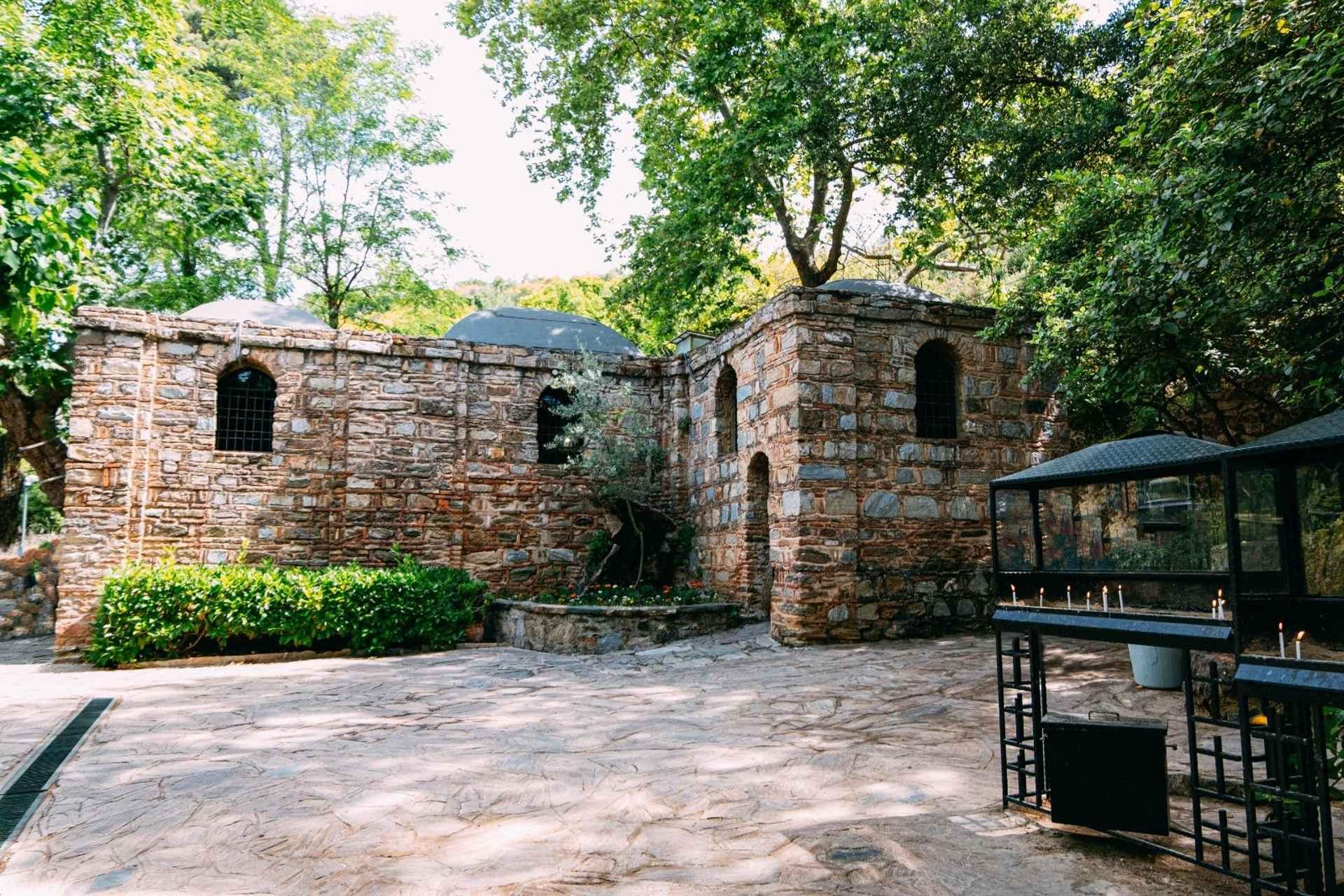
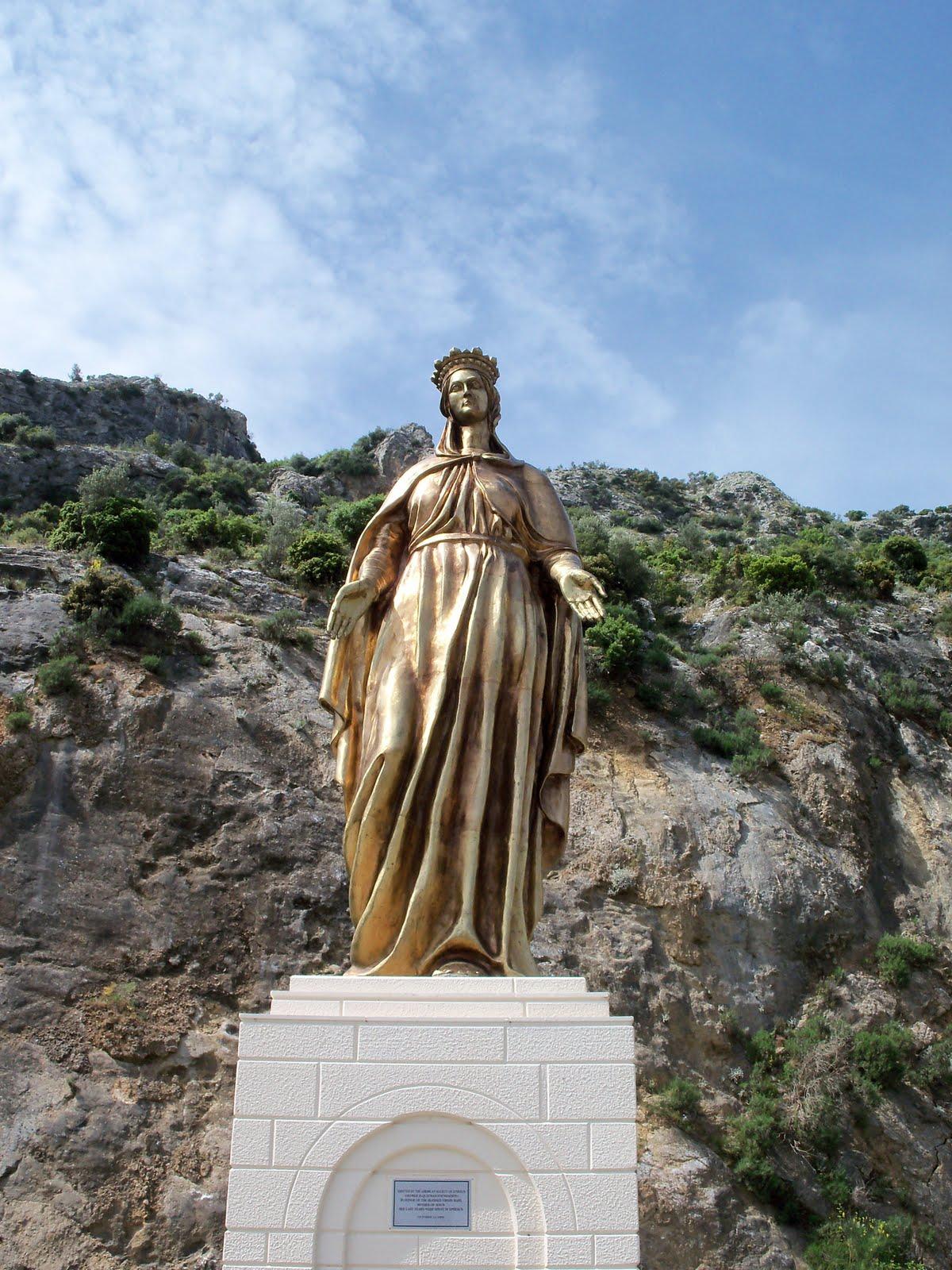
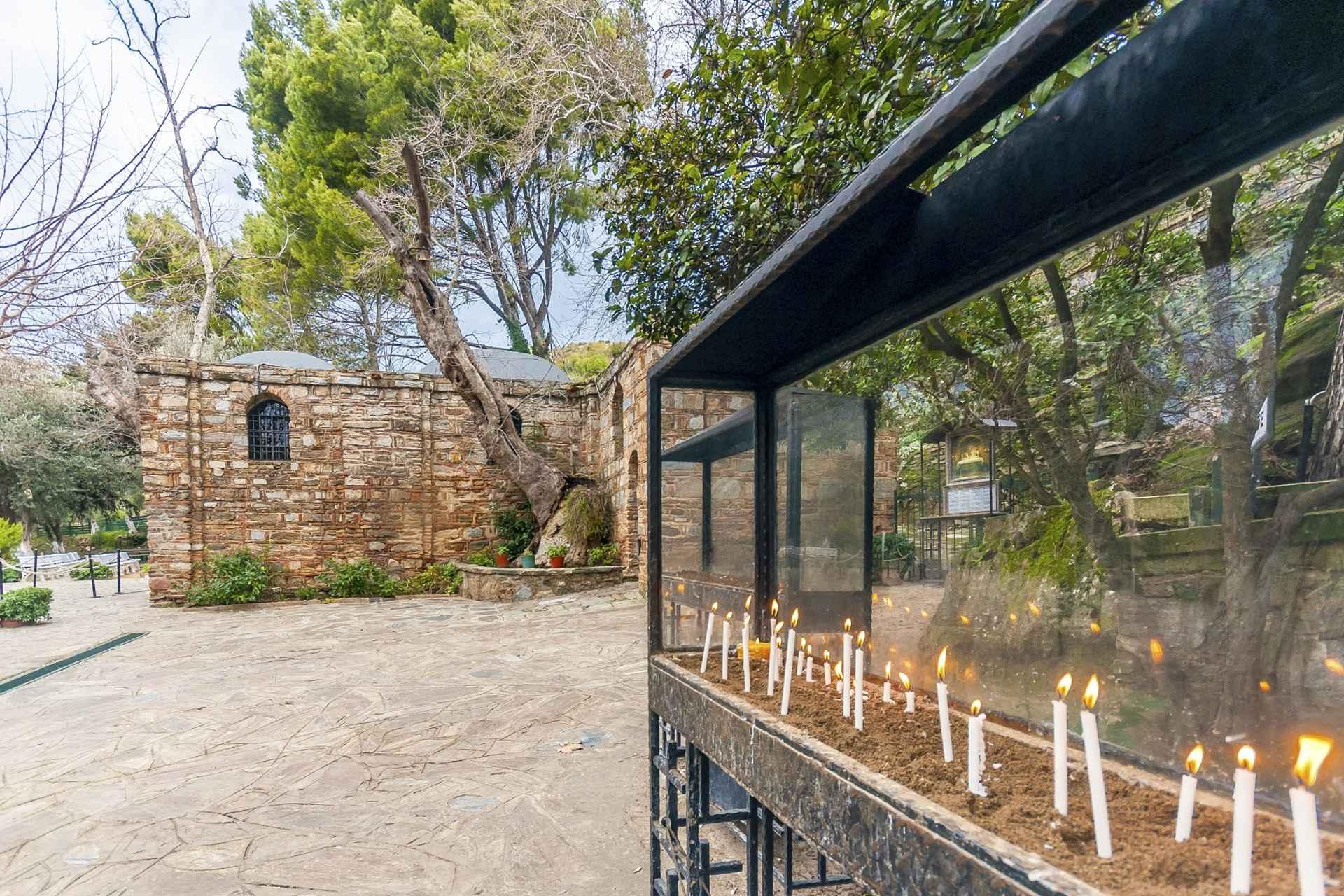
Nestled among the pine-covered slopes of Mt. Koressos, just a short drive from Ephesus, this humble yet deeply revered shrine is regarded by many as the final earthly home of Mary, the mother of Jesus. According to tradition rooted in John 19:26-27, Jesus entrusted his mother to the care of the Apostle John as he hung on the cross, and it was John who is believed to have brought Mary to Ephesus, far from the dangers of Jerusalem, where she lived out her final years in quiet devotion.
The site remained largely unknown to the wider world until the early 19th century, when a bedridden German nun, Blessed Anne Catherine Emmerich, described the house's exact location, layout, and surroundings in vivid detail during a series of mystical visions — remarkable, given that she had never traveled beyond her convent. Decades later, explorers who followed her descriptions uncovered the foundations of an ancient stone house at precisely the spot she had described, igniting worldwide interest and pilgrimage.
Since then, the shrine has been formally recognized by the Catholic Church as an official site of pilgrimage and has received visits and blessings from numerous Popes, including Paul VI, John Paul II, and Benedict XVI. Today, pilgrims and visitors of all faiths gather here in quiet reflection, light candles, tie prayer notes to the site's "wishing wall," and draw water from a nearby spring believed by many to hold healing properties — making it one of the most spiritually significant stops on any Biblical journey through Anatolia.
2. Ephesus Ancient City
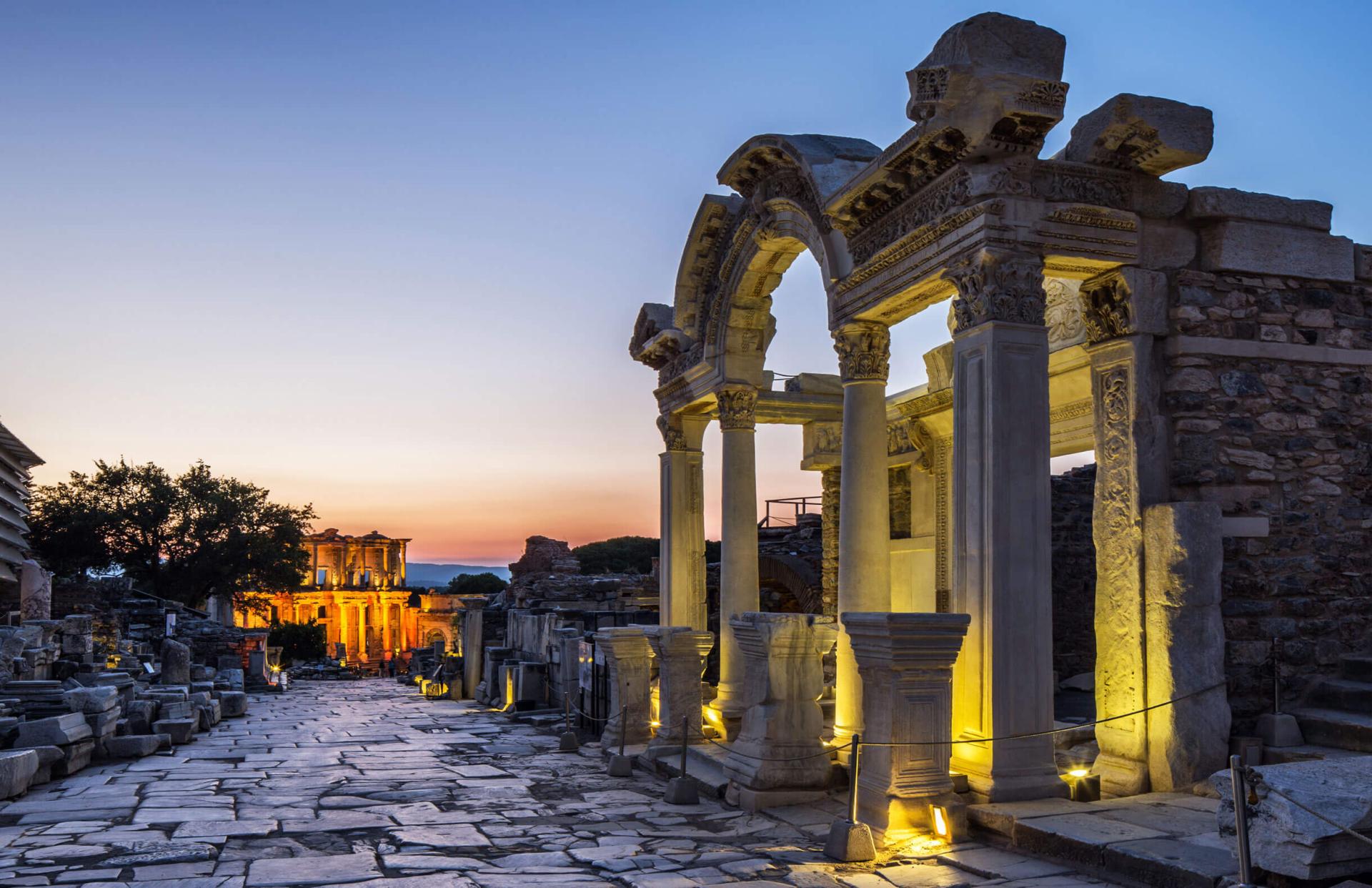
Step into the marble streets of one of the most pivotal cities in the history of early Christianity. Ephesus was not only a thriving metropolis of the Roman world but also one of the Seven Churches addressed directly by Christ in the Book of Revelation (Revelation 2:1-7), where believers were commended for their perseverance yet warned for having "left their first love." It was here that the Apostle Paul lived, taught, and ministered for nearly three years — longer than in any other city on his missionary journeys — establishing a Christian community that would go on to shape the future of the faith.
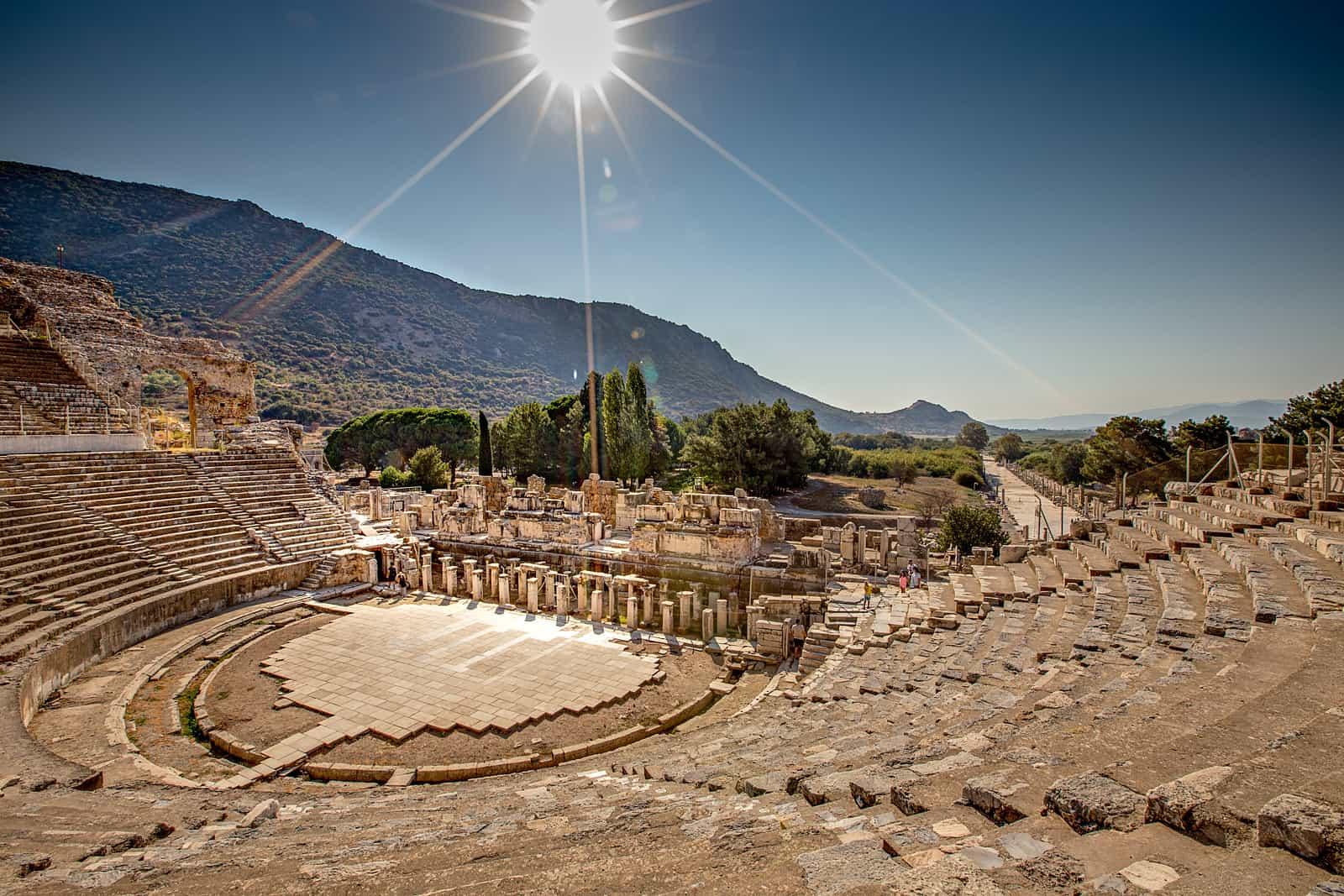
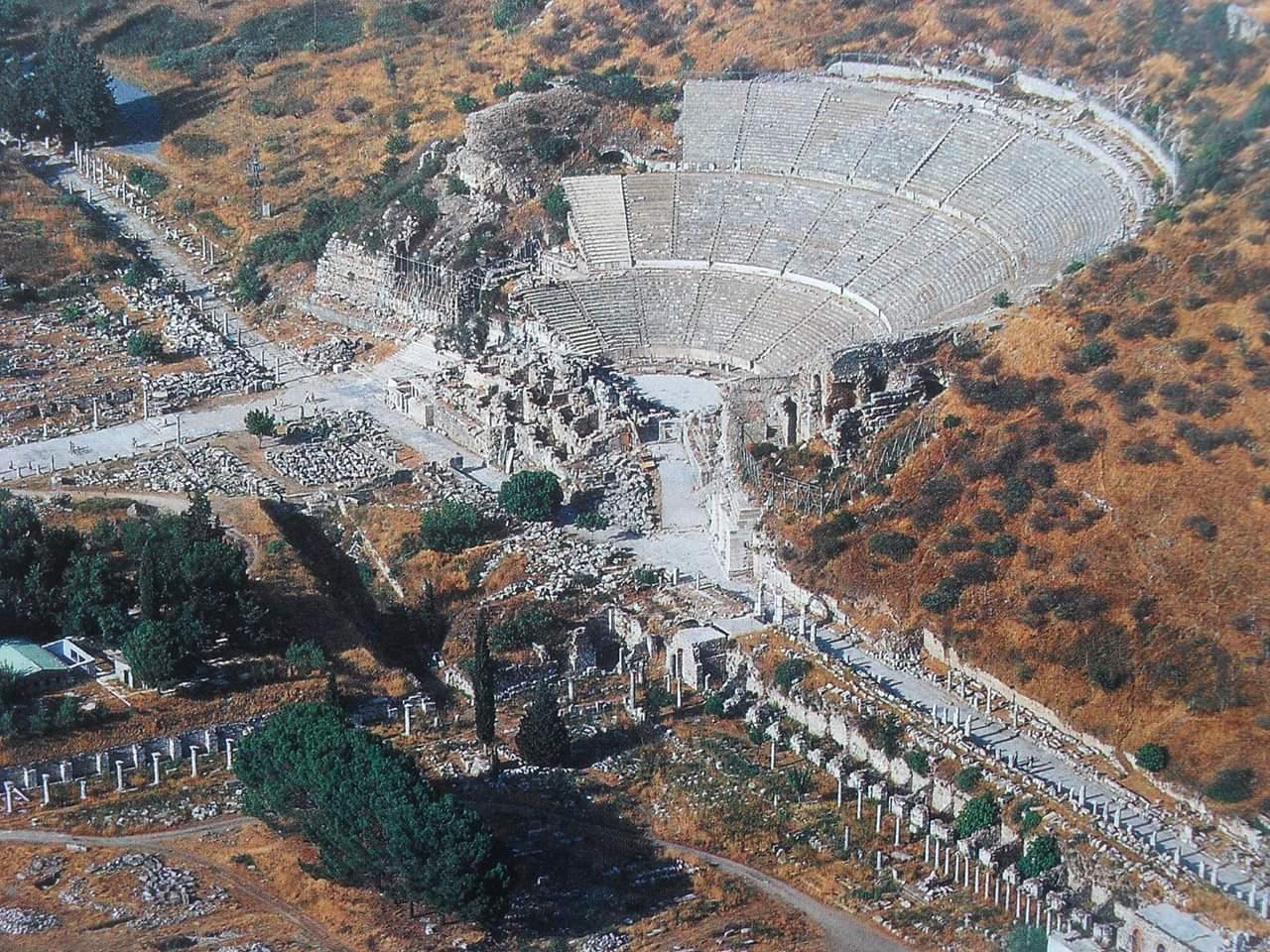
As you walk along the city's famed marble-paved avenues, you will encounter architectural wonders that once framed daily life in this bustling ancient capital: the breathtaking two-story façade of the Celsus Library, once home to thousands of scrolls and among the largest libraries of the ancient world; the Prytaneion, the ceremonial heart of civic and religious life where the sacred flame of Hestia was kept burning; and the colossal Great Theatre, carved into the hillside with a capacity of 25,000 spectators. It was within these very theater walls that the dramatic riot described in Acts 19 unfolded, as silversmiths whose trade depended on devotion to Artemis rallied the crowd against Paul's teachings — a vivid, real-world backdrop to one of the Book of Acts' most compelling episodes.
3. The Terrace Houses
Rising along the slopes of Mt. Bülbül within the heart of ancient Ephesus, the Terrace Houses — often called the "houses of the rich" — offer an intimate, rarely-seen window into the private world of the Roman elite who lived alongside the early Christian community. Unlike the grand public monuments of the city, these multi-story residences reveal how the wealthiest citizens of Ephesus actually lived: their tastes, their comforts, and their daily routines.
Protected beneath a modern canopy, the houses preserve an astonishing array of original frescoes, richly colored wall paintings, and elaborate mosaic floors, some of the best-preserved domestic artwork anywhere in the ancient world. Sophisticated heating systems, private baths, courtyards, and finely decorated reception rooms speak to a level of urban luxury and architectural refinement rarely glimpsed at other archaeological sites. Walking through these residences offers a compelling contrast to the public grandeur of Ephesus's temples and theaters, illuminating the social fabric of the very city in which early Christian teachings first took root among both the humble and the affluent.
4. The Temple of Artemis
Once counted among the Seven Wonders of the Ancient World, the Temple of Artemis stood as a colossal monument to pagan devotion — four times larger than the Parthenon in Athens and adorned with 127 towering marble columns. As the religious and economic heart of ancient Ephesus, the temple drew pilgrims, merchants, and worshippers from across the ancient Mediterranean, and its cult of Artemis dominated nearly every aspect of civic, financial, and spiritual life in the city.
Though little remains today beyond a single reconstructed column standing amid marshy ruins, visiting the site offers essential context for understanding the dramatic tensions recorded in the Book of Acts. It becomes clear why Paul's teachings posed such a direct threat to local silversmiths, whose lucrative trade in silver shrines and idols of Artemis depended entirely on the temple's continued influence. Standing at this site, visitors gain a deeper appreciation for the sheer scale of the pagan world that early Christianity confronted — and ultimately transformed — in Asia Minor.
5. St. John's Basilica
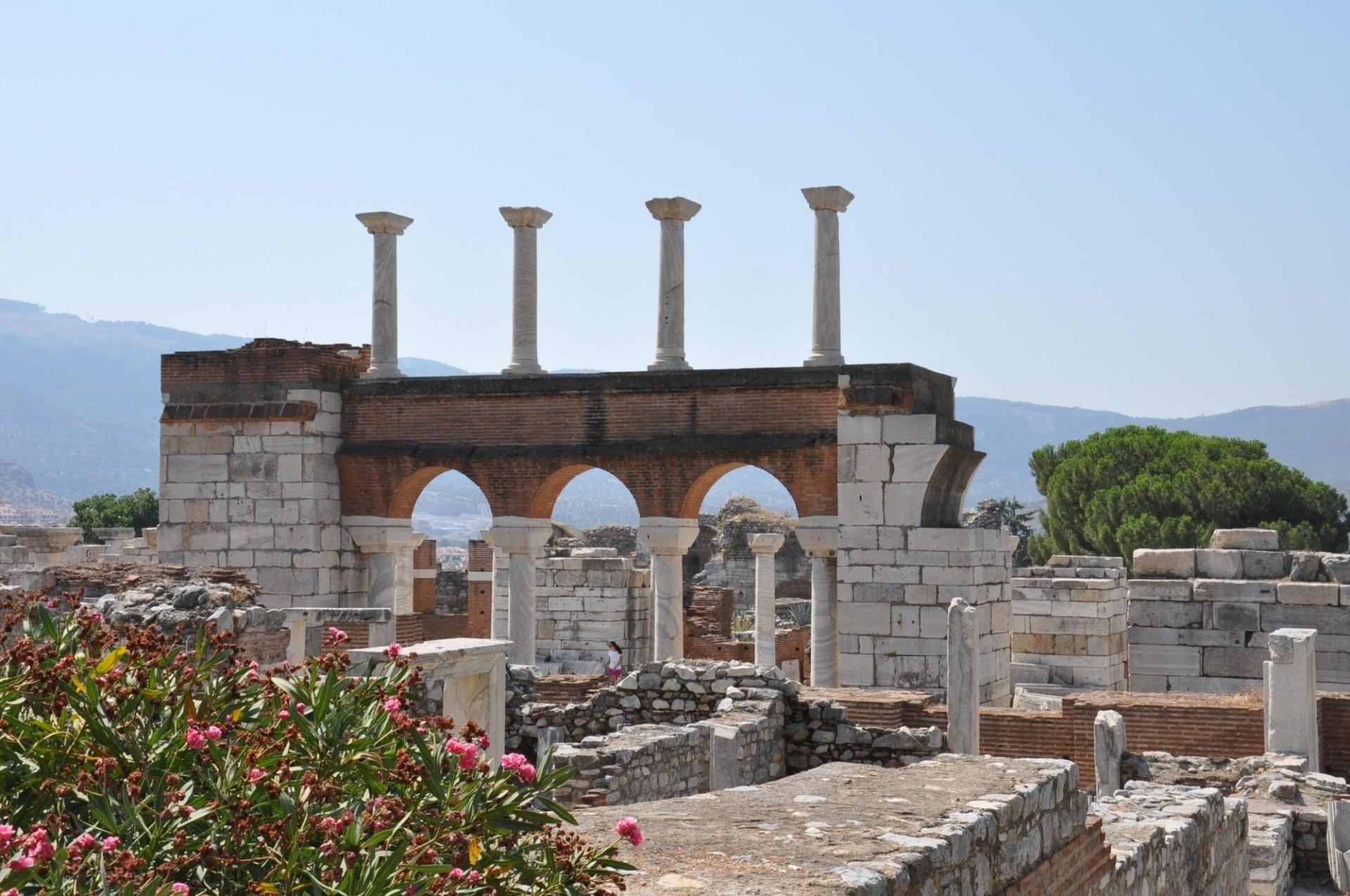
Crowning Ayasuluk Hill in Selçuk, with sweeping views over the surrounding plains, St. John's Basilica stands as one of the most moving sites on any Biblical journey. This monumental 6th-century church was commissioned by the Byzantine Emperor Justinian I, built directly over the believed burial site of the Apostle John — the beloved disciple of Jesus, author of the Gospel of John, and the writer traditionally credited with the Book of Revelation.
Tradition holds that John spent his final years in Ephesus, caring for the early Christian community, writing his Gospel, and mentoring future generations of believers before his death and burial on this very hill. Once one of the largest and most magnificent churches in the entire Byzantine world, rivaling even the great basilicas of Constantinople, its ruins today still convey a profound sense of grandeur — soaring columns, the remains of a baptistery where early converts were baptized, and the sacred tomb site marked at the heart of the structure. For many pilgrims, standing at the resting place of one of Jesus's closest companions offers a fitting and deeply reflective conclusion to their journey through the footsteps of early Christianity.
What's Included
-
Professional English-speaking tour guide
-
Comfortable, air-conditioned transportation
-
20% VAT
Not Included
-
Entrance fees to all listed sites
-
Personal expenses
-
Lunch
-
Drinks
-
Tips for guide and driver
-
Anything not specifically mentioned in the "Included" section
What You Need to Know
Tour Cancellation Terms
To ensure the highest quality of service and fair scheduling for all our guests, we follow a straightforward cancellation policy.
✔ Full Refund: Cancel up to 24 hours before the start time of your tour or transfer and receive a 100% refund.
✘ No Refund: Cancellations made less than 24 hours before the scheduled time and failure to attend the activity (no-show) are non-refundable.
Our team begins planning and allocating vehicles and guides well in advance, so we kindly ask for your cooperation and timely communication if plans change.